Payments, age checks and verification for UK blackjack players
Money and identity are where most first-time frustrations happen. This guide explains what UK-licensed sites must check, which payment rules apply, why withdrawals can be delayed and how to avoid problems.
In brief
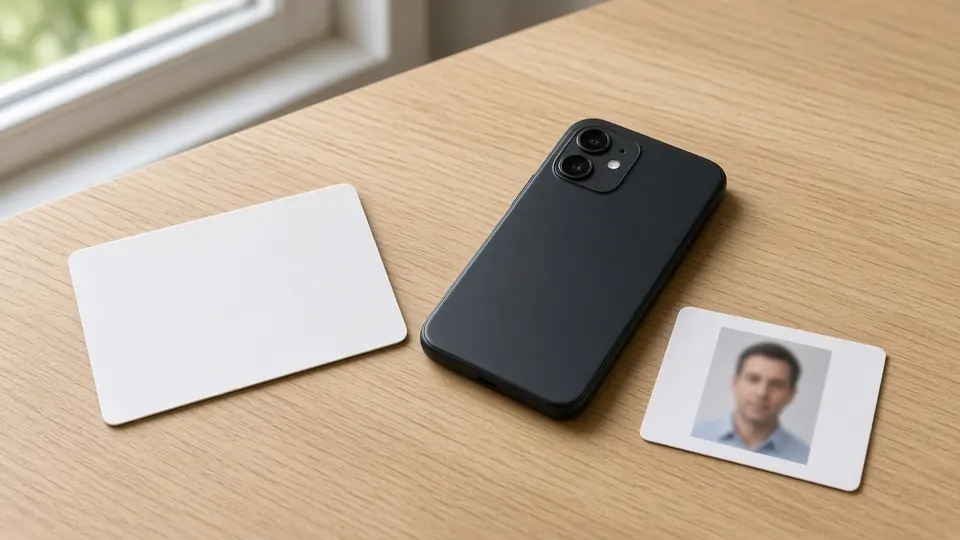
Licensed sites must verify your age and identity before you gamble. Credit cards are banned. Complete verification early, use a payment method in your own name and decide a deposit limit before you pay in.
Age and identity checks
Operators licensed for Great Britain must verify your age before you can deposit funds, gamble with your own money or use any free bet or bonus. They must also verify your name, address and date of birth before you are allowed to gamble. The rules have applied since 7 May 2019.
In practice that means you register, then the operator checks your details against reliable records. If it cannot confirm them, it asks for documents such as a passport or driving licence, and sometimes proof of address. Complete this step when you register, not when you first want to withdraw. It prevents the most common cause of withdrawal delays.
Paying in
Common methods for UK players include debit cards, bank transfer and e-wallets. Whatever you choose:
- Use a method in your own name. Operators may refuse payments from someone else's account.
- Credit cards are not allowed. Since 14 April 2020, gambling businesses licensed in Great Britain must not accept credit cards for gambling. The rule exists to stop people gambling with borrowed money.
- Set a deposit limit first. Limits work best when you set them before you pay anything in. See staying in control.
- Check any fees in the terms.
If your bank offers gambling blocks, you can ask it to stop payments to gambling businesses. The NHS lists this as a practical step for people who want to stop. See GAMSTOP and blocking tools.
Withdrawing
Withdrawals usually go back to the method you used to deposit, so that operators can meet anti-money-laundering rules. A request can take from minutes to a few working days. Delays have common causes:
- Verification was not complete.
- The name on the payment method does not match the account.
- The withdrawal is large or unusual and triggers extra checks.
Keep records of every deposit and withdrawal. If you have a dispute, contact the operator's support first. If it is not resolved, you can usually take it to the independent dispute resolution service the operator names, as described in the UK licence guide.
Extra checks you may meet
The Gambling Commission requires operators to run light financial vulnerability checks, using publicly available information, when a customer's net deposits reach £150 in a rolling 30 days. The checks look for things such as bankruptcy, and they are not a credit check that affects your credit score. The Commission is also phasing in more detailed financial risk assessments. They start with the largest operators and very high levels of spending, and will be extended over time. If you are asked for documents, the operator should explain why.
Winnings and tax
Winnings from gambling are not taxed for players in the UK. You do not declare them on a tax return. Tax is charged on the operators' profits.
Security habits
- Use a strong, unique password and turn on two-step verification if offered.
- Only enter card details on the site's own checkout, reached from a secure page.
- Be wary of anyone who contacts you offering to "unlock" a withdrawal or asking for a fee.
- Never share your login details, even with a friend.
Quick answers
Why do I have to send ID?
Because the law requires licensed operators to verify age and identity. It protects children and prevents fraud.
Can I deposit with a friend's card?
No. The account and payment method should be in your name.
Can a site refuse a withdrawal?
It can hold one while it completes required checks, or if rules in its terms were broken. It should explain why in writing. If you disagree, use the complaint process.
Keep reading
 UK licence explainedBefore you play blackjack online in Britain, the first check is whether the company is licensed by the Gambling Commission.
 First online sessionStarting online blackjack is easier if you do the dull parts first.
 Staying in controlThe only guaranteed way to avoid losing more than you can afford is to decide how much that is before you start and to make the site enforce it.
 GAMSTOP and blocking toolsSometimes the best strategy is not to play.